
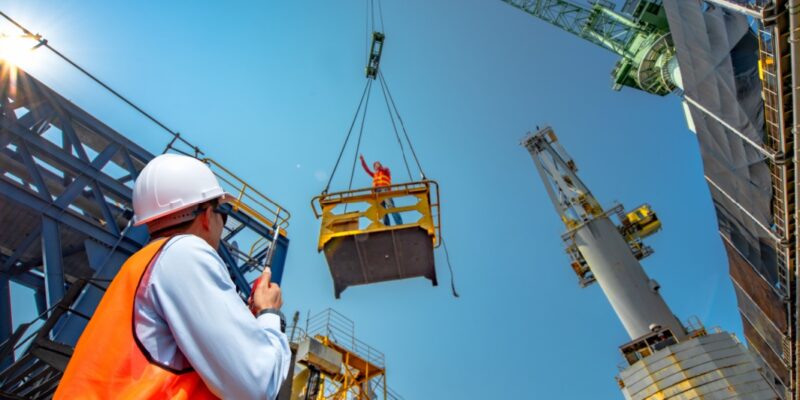
In high-risk industries, safety depends on more than training and protective equipment. Clear and reliable communication plays a critical role in preventing accidents, responding to emergencies, and maintaining situational awareness across job sites. Industries such as construction, manufacturing, utilities, transportation, and energy all operate in environments where hazards are present every day. In these settings, communication failures can quickly lead to injuries, equipment damage, or worse.
Reliable wireless communication systems help bridge the gap between awareness and action. When workers and supervisors can communicate instantly and without interruption, safety protocols are easier to enforce and emergency response becomes significantly faster.
The Safety Challenges of High-Risk Work Environments
High-risk workplaces often involve heavy machinery, elevated work areas, confined spaces, and constantly changing conditions. Noise, distance, and physical barriers can make verbal communication difficult or impossible. Workers may be spread across large areas or multiple levels, making it harder to coordinate tasks or alert others to hazards.
Cell phones are not always a dependable solution in these environments. Poor signal coverage, slow connection times, and the need to dial numbers can delay critical communication. In some situations, using a phone may even create additional safety risks by distracting workers or requiring the use of both hands.
Instant Communication Reduces Response Time
Two-way radios and dedicated wireless communication systems provide instant push-to-talk communication, allowing workers to share information immediately. This immediacy is essential when reporting unsafe conditions, equipment malfunctions, or medical emergencies. A single button press can alert supervisors, safety teams, or entire workgroups without delay.
Faster communication leads directly to faster response. When a hazard is identified quickly, corrective action can be taken before an incident occurs. When an accident does happen, immediate communication ensures that help is dispatched without hesitation, reducing the severity of injuries and improving outcomes.
Improving Situational Awareness Across Teams
Reliable communication systems enhance situational awareness by keeping everyone informed of what is happening on the job site. Supervisors can coordinate crews more effectively, while workers can receive real-time updates about changing conditions, weather risks, or operational adjustments.
Modern digital radio systems often include features such as GPS tracking, emergency alert buttons, and location monitoring. These capabilities allow safety managers to know where workers are located and identify who may be at risk during an incident. In environments where lone workers or remote crews are common, this visibility is especially important.
Supporting a Strong Safety Culture
A strong safety culture relies on consistent communication. When workers know they can easily report concerns or ask for assistance, they are more likely to follow safety protocols and speak up before problems escalate. Reliable communication tools remove barriers and empower employees to take an active role in maintaining a safe workplace.
Clear communication also supports safety training and compliance. Supervisors can reinforce procedures, issue reminders, and conduct coordinated safety drills using the same tools workers rely on every day. This consistency helps reinforce best practices and ensures everyone understands their role in maintaining a safe environment.
Reliability During Emergencies and Power Disruptions
High-risk industries cannot afford communication outages during emergencies. Severe weather, power failures, or system disruptions often occur when communication is needed most. Unlike cellular networks that may become overloaded or fail during widespread incidents, professional radio systems are designed for resilience.
Many wireless communication solutions include backup power options, redundant infrastructure, and independent network operation. These features allow communication to continue even when other systems go down. Maintaining connectivity during emergencies ensures that evacuation procedures, rescue operations, and coordination with external responders can proceed without interruption.
Tailoring Communication Solutions to Industry Needs
Every high-risk industry faces unique challenges, and communication systems should be designed accordingly. Construction sites may require rugged devices that withstand dust and impact. Manufacturing facilities often need strong in-building coverage to penetrate thick walls and machinery. Utility crews and energy workers may operate across wide geographic areas where extended range is essential.
A customized approach ensures that communication tools align with real-world conditions and safety requirements. Proper system design, device selection, and ongoing support all contribute to long-term reliability and effectiveness.
Safer Workplaces Start with Better Communication
Reliable communication is one of the most powerful tools for improving workplace safety in high-risk industries. It enables faster response times, better coordination, stronger situational awareness, and a more proactive safety culture. When communication systems are dependable and easy to use, workers can focus on their tasks with confidence, knowing help is always within reach.
Highland Wireless provides advanced wireless communication solutions designed to support safety in demanding environments. From two-way radio systems to in-building wireless coverage and scalable infrastructure, our team helps organizations create safer, more connected workplaces. To learn how reliable communication can strengthen your safety strategy, contact Highland Wireless today.