
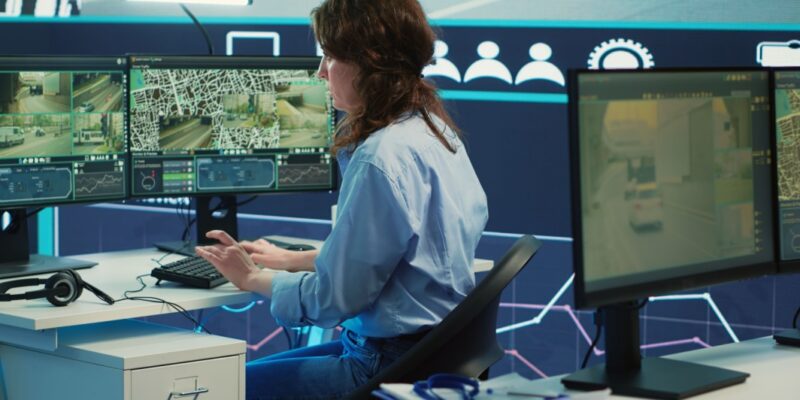
In environments where safety, security, and operational efficiency are priorities, response time is everything. Whether addressing a security incident, a medical emergency, or an operational disruption, the speed at which teams can assess a situation and act often determines the outcome. Integrated communication and surveillance systems play a critical role in reducing response times by connecting real-time visibility with instant communication.
When wireless communication tools and video surveillance systems operate together as a unified solution, organizations gain the ability to detect issues faster, coordinate responses more effectively, and resolve incidents with greater confidence.
The Limitations of Standalone Systems
Many organizations rely on surveillance cameras to monitor activity and communication systems to coordinate staff. When these systems operate independently, valuable time can be lost. A camera may capture an incident, but without a fast way to communicate details to responders, delays occur. Similarly, a radio call may alert a team to a problem, but without visual confirmation, responders may arrive unprepared or unsure of the situation.
Standalone systems often require manual information sharing, which introduces uncertainty and slows response. In high-pressure situations, even small delays can increase risk, escalate incidents, or disrupt operations.
How Integration Improves Situational Awareness
Integrating communication systems with surveillance technology creates a clearer and more complete picture of what is happening in real time. Security teams and operations managers can view live video feeds while communicating instantly with personnel on the ground. This combination allows responders to understand the nature of an incident before arriving, improving preparedness and decision-making.
For example, when a surveillance camera detects suspicious activity, security personnel can immediately notify nearby staff through two-way radios or push-to-talk devices. At the same time, supervisors can monitor the situation visually and provide guidance based on what they see. This level of situational awareness significantly reduces confusion and helps teams act with precision.
Faster Coordination Across Teams
In many facilities, response requires coordination between multiple departments. Security, maintenance, medical staff, and management may all play a role depending on the situation. Integrated systems allow these groups to communicate efficiently while referencing the same visual information.
When everyone is working from a shared understanding of the situation, response efforts become more streamlined. Teams know where to go, what equipment is needed, and how to prioritize actions. This coordination is especially important in large facilities such as campuses, hospitals, manufacturing plants, and transportation hubs where distances and complexity can otherwise slow response times.
Enhancing Emergency Response Capabilities
During emergencies, integrated systems provide a powerful advantage. Two-way radios with emergency alert features can immediately notify command staff of an incident, while surveillance cameras provide live visuals of affected areas. This allows responders to assess hazards, identify individuals in need of assistance, and adjust response plans in real time.
In environments with limited visibility or restricted access, such as stairwells, parking structures, or industrial areas, surveillance systems help guide responders safely and efficiently. Communication tools ensure that updates are shared continuously as conditions change, preventing missteps and improving outcomes.
Supporting Proactive Incident Prevention
Integrated communication and surveillance systems are not only reactive tools. They also support proactive safety and security strategies. Monitoring patterns through video feeds combined with real-time communication allows teams to identify potential issues before they escalate.
For example, a facility manager may notice repeated congestion in a specific area through surveillance footage. Using communication tools, staff can be redirected or schedules adjusted to reduce risk. Over time, this proactive approach helps organizations improve operational flow, reduce incidents, and create safer environments.
Reliability When It Matters Most
Response times matter most during unexpected events, including power outages, severe weather, or system failures. Professional communication systems are designed to remain operational during these conditions, often with backup power and independent network capabilities. When integrated with surveillance systems that also prioritize uptime, organizations maintain visibility and communication even when other technologies fail.
This reliability ensures that response teams are never operating blindly or in isolation. Maintaining both communication and visual awareness during critical moments supports faster, more effective decision-making.
Building a Smarter Response Strategy
Improving response times requires more than adding new equipment. It requires thoughtful system design, proper integration, and ongoing support. Communication tools and surveillance systems should be selected and configured to complement each other, ensuring seamless interaction across platforms.
Working with experienced professionals helps organizations design integrated solutions that match their specific operational needs. From system layout and coverage planning to training and maintenance, every detail contributes to faster and more reliable response capabilities.
Stronger Responses Through Integration
Integrated communication and surveillance systems transform how organizations respond to incidents. By combining instant communication with real-time visibility, teams gain clarity, confidence, and speed. The result is improved safety, reduced downtime, and stronger overall performance.
Highland Wireless specializes in integrated wireless communication and surveillance solutions designed to enhance response times in demanding environments. From two-way radios and in-building wireless systems to advanced video surveillance, our team delivers solutions that keep people connected and informed when it matters most. To learn how integrated systems can strengthen your response strategy, contact Highland Wireless today.