
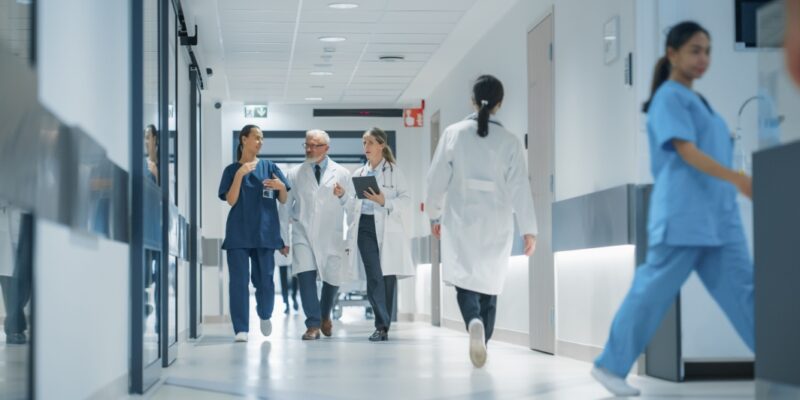
Healthcare facilities operate in environments where every second matters. From emergency rooms and surgical departments to security teams and maintenance staff, hospitals rely on constant coordination to provide safe and efficient patient care. During emergencies, communication becomes even more critical. Delays, missed messages, or unclear instructions can affect response times and patient outcomes. Wireless communication systems help healthcare facilities maintain fast, reliable coordination across departments and buildings, ensuring that teams can respond quickly when urgent situations arise.
As healthcare environments continue to grow in size and complexity, dependable wireless communication has become an essential part of emergency preparedness and daily operations.
The Communication Challenges Healthcare Facilities Face
Hospitals and medical campuses are complex environments with multiple departments operating simultaneously. Staff members move constantly between patient rooms, operating suites, labs, pharmacies, and administrative offices. Large buildings, reinforced construction materials, and underground areas can interfere with traditional communication systems and create coverage gaps.
In emergency situations, these challenges become even more significant. Medical teams must coordinate patient care quickly while security personnel, administrators, and support staff respond to evolving conditions. Relying solely on cell phones or outdated paging systems can slow communication and create unnecessary delays.
Wireless communication systems help eliminate these barriers by providing instant, reliable connectivity throughout the facility.
Faster Response During Medical Emergencies
In healthcare, rapid response can save lives. Whether responding to a cardiac arrest, trauma case, or patient emergency, medical teams need to communicate instantly. Two-way radios and wireless communication platforms allow staff to alert responders immediately without waiting for calls to connect or searching for available phones.
Push-to-talk communication enables direct coordination between nurses, physicians, emergency response teams, and support staff. Critical updates can be shared in real time, helping teams prepare before arriving at the scene. Faster communication allows medical professionals to make quicker decisions and deliver care more efficiently.
By reducing communication delays, healthcare facilities improve response times and strengthen patient care during emergencies.
Improving Coordination Across Departments
Emergency coordination in healthcare often involves multiple departments working together simultaneously. Clinical teams, security personnel, environmental services, and facility management may all need to respond to the same situation. Clear communication ensures that everyone remains aligned and informed throughout the response process.
Wireless communication systems allow teams to coordinate actions without leaving their work areas. Staff can receive updates, request assistance, and relay important information instantly. This level of coordination helps reduce confusion and ensures that emergency procedures are carried out smoothly.
In large hospital campuses, communication systems also help bridge the gap between multiple buildings and departments, ensuring that teams remain connected regardless of location.
Supporting Security and Emergency Preparedness
Healthcare facilities face a wide range of security concerns, including unauthorized access, patient disturbances, and large-scale emergencies such as severe weather or power outages. Security teams rely on wireless communication to coordinate responses quickly and maintain situational awareness throughout the facility.
Integrated communication systems allow security personnel to work closely with medical staff and administrators during incidents. Real-time updates help teams monitor developing situations and respond effectively. In emergencies that require evacuation or lockdown procedures, reliable communication is essential for guiding staff and protecting patients.
Strong in-building wireless coverage ensures that communication remains consistent in stairwells, parking structures, basements, and other difficult areas where traditional signals may struggle.
Enhancing Reliability During Critical Situations
Hospitals cannot afford communication failures during emergencies. Public cellular networks may become overloaded during widespread incidents, and internet-based systems may be vulnerable to outages. Professional wireless communication systems are designed for reliability, often including backup power and independent infrastructure that allow them to continue operating during disruptions.
This resilience is especially important during natural disasters, severe weather events, or regional emergencies when healthcare facilities may experience increased demand. Maintaining uninterrupted communication allows hospitals to coordinate patient care, manage staffing, and respond effectively even under challenging conditions.
Reliable systems also support continuity of operations, helping healthcare facilities remain functional when other communication methods fail.
Supporting Daily Efficiency Beyond Emergencies
While emergency coordination is a primary benefit, wireless communication also improves daily operations throughout healthcare facilities. Staff can coordinate patient transport, manage room turnover, communicate maintenance needs, and respond to routine requests more efficiently.
Improved day-to-day communication reduces delays and helps departments work together more effectively. This operational efficiency contributes to better patient experiences and allows healthcare professionals to focus more attention on patient care.
Building a More Connected Healthcare Environment
As healthcare technology continues to evolve, wireless communication will remain central to effective facility operations. Smart devices, connected monitoring systems, and integrated safety platforms all depend on reliable communication infrastructure. Investing in strong wireless systems helps healthcare facilities prepare for future demands while improving current performance.
Clear and dependable communication strengthens emergency coordination, enhances safety, and supports better patient outcomes across the entire healthcare environment.
Highland Wireless provides advanced communication solutions designed to support healthcare facilities and medical campuses. From two-way radio systems to in-building wireless coverage, our team helps healthcare organizations maintain reliable communication when it matters most. To learn how wireless technology can improve emergency coordination in your facility, contact Highland Wireless today.