
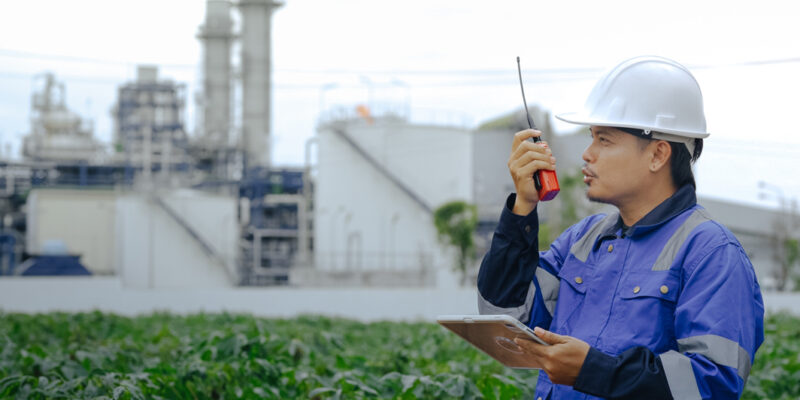
Emergencies can develop quickly inside commercial buildings, industrial facilities, healthcare properties, schools, warehouses, and other large environments. A power outage, equipment failure, fire alarm, security incident, or severe weather event can disrupt normal operations with little warning. When these situations occur, employees need a dependable way to share information and coordinate their response.
Reliable wireless communication helps ensure that maintenance personnel, security teams, supervisors, and other employees can remain connected when communication matters most. With the right systems and coverage in place, facilities can respond more efficiently, reduce confusion, and help protect both people and property during unexpected events.
Keeping Teams Connected When Conditions Change Quickly
During normal operations, employees may have several ways to communicate. They can make phone calls, send messages, use email, or speak with coworkers in person. During an emergency, however, these methods may be too slow or impractical.
Two-way radios provide immediate push-to-talk communication that allows employees to reach individuals or groups without dialing numbers or waiting for someone to answer. A supervisor can quickly distribute instructions, while employees throughout the facility can report conditions from their locations.
This immediate exchange of information can help everyone maintain a clearer understanding of what is happening and what actions need to be taken.
Coordinating Multiple Departments
Facility emergencies rarely affect only one department. A major water leak, for example, could require assistance from maintenance, security, management, and custodial personnel. An electrical outage may involve engineering teams while also requiring security personnel to monitor entrances and management to coordinate operational changes.
Reliable wireless communication allows these departments to work together instead of responding independently. Teams can share updates, request assistance, and adjust their actions as circumstances change.
This coordination becomes particularly important in large facilities where employees may be separated by several floors, buildings, or outdoor areas.
Maintaining Communication in Challenging Areas
Many facilities contain areas where cellular signals may be inconsistent. Basements, stairwells, parking garages, mechanical rooms, concrete structures, and other enclosed spaces can create communication challenges.
Unfortunately, these areas can also be important during an emergency. Maintenance personnel may need to inspect equipment in mechanical spaces, while security teams may need to move through stairwells, parking structures, and other parts of the property.
A professionally designed wireless communication system can help provide dependable coverage throughout these challenging environments. Addressing communication dead zones before an emergency occurs helps ensure employees can stay connected wherever their responsibilities take them.
Supporting Faster Maintenance Response
Equipment problems can quickly escalate when they are not addressed. A malfunctioning HVAC system, electrical issue, plumbing failure, or other infrastructure problem may affect large portions of a facility.
Two-way radios allow maintenance personnel to receive information about a problem immediately and begin coordinating a response. Technicians can provide updates from the affected area, request tools or additional personnel, and communicate with building management as repairs progress.
Faster communication can help teams identify problems sooner and reduce the amount of time critical building systems remain unavailable.
Strengthening Security Response
Security incidents require accurate information and coordinated action. If unauthorized access, suspicious activity, or another security concern is reported, personnel need to know where the incident is occurring and what assistance may be required.
Two-way radios allow security officers to communicate directly while moving throughout the property. When wireless communication is combined with video surveillance, personnel monitoring cameras can relay information to employees responding elsewhere in the facility.
This combination of visual information and instant communication can provide security teams with greater situational awareness and help them coordinate their response more effectively.
Communicating During Power and Network Disruptions
Facility emergencies sometimes affect the same infrastructure employees normally depend on for communication. Power failures and network disruptions can interfere with internet-based systems or other everyday communication tools.
Planning for communication reliability should therefore be an important part of emergency preparedness. Depending on the facility and system design, backup power, radio infrastructure, and other redundancy measures can help maintain essential communication during disruptions.
Organizations should regularly evaluate their communication systems and emergency procedures to identify potential weaknesses before they become a problem during a real event.
Improving Emergency Preparedness
Reliable technology is only one part of effective emergency communication. Employees also need to understand how communication systems should be used when an incident occurs.
Facilities can incorporate two-way radios and other communication tools into emergency planning and training exercises. Employees should know which channels or talkgroups to use, who is responsible for communicating instructions, and how information should be shared between departments.
Regular testing can also reveal coverage gaps, equipment problems, or procedural issues that might otherwise remain unnoticed. Addressing these concerns in advance helps organizations become better prepared for unexpected situations.
Building a More Resilient Facility
Emergencies can never be completely eliminated, but facilities can prepare for them. Reliable communication gives employees the ability to share information quickly, coordinate resources, and respond to changing conditions throughout a property. From equipment failures and power outages to security incidents and severe weather, dependable wireless coverage can play an important role in keeping operations organized when normal routines are disrupted.
Highland Wireless provides two-way radio and wireless communication solutions designed for commercial, industrial, and other demanding environments. From improving coverage throughout challenging facilities to developing communication systems that support everyday operations and emergency preparedness, Highland Wireless can help organizations build a more reliable communication infrastructure. To discuss the communication needs of your facility, contact Highland Wireless today.